Security · Nov 1
Flight Standby in 2026: How to Book an Earlier Flight Without Buying a New Ticket
The answer
Modern flight standby means asking for an open seat on an earlier flight on your ticketed route, on the same day — and in 2026 it is free on Delta, United, and American for most non-basic fares. The catch is the word 'open': you only fly if a seat is empty after everyone ticketed and everyone above you on the priority list. If you must arrive earlier, pay for a same-day confirmed change ($75 on Delta, from $60 on American) instead of gambling on the list. And if you bought basic economy, standby is the door that stays shut.
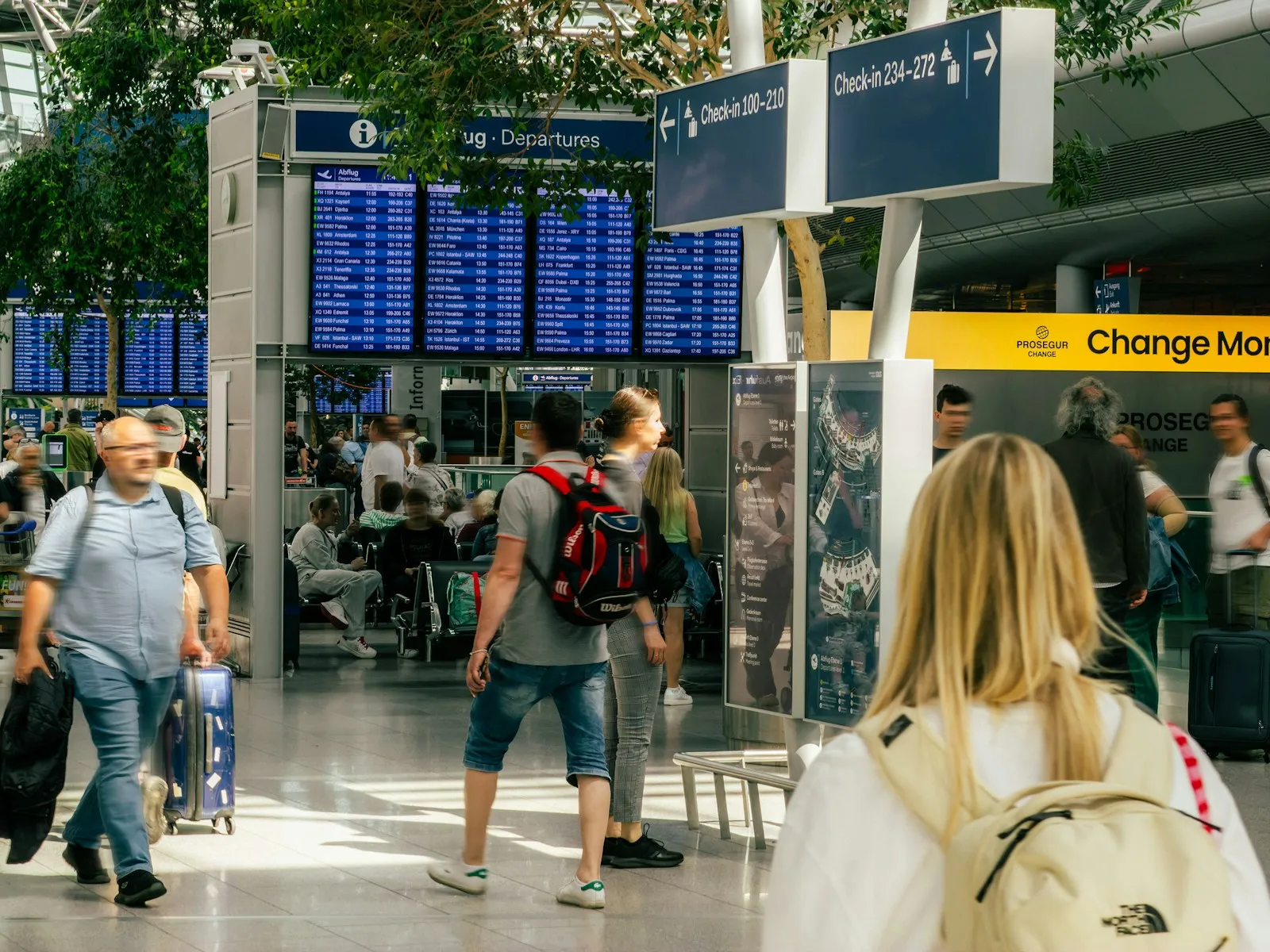
Flying standby used to mean showing up at the airport without a ticket and hoping. That version is dead — airlines killed open standby years ago. What survives in 2026 is same-day standby: you already hold a ticket for a flight today, and you ask to be waitlisted for an empty seat on an earlier flight on the same route. No new ticket, usually no fee, no guarantee.
Done right, standby is the closest thing to a free upgrade the airlines still hand out — landing four hours early because your meeting wrapped at 10 a.m. costs nothing on the big three US carriers. Done wrong, it means watching a full flight board without you and sprinting back to your original gate. This guide covers how the system actually works and the current rules at Delta, United, American, and Southwest, pulled from the airlines’ own policy pages where reachable (American’s and United’s pages blocked our requests this round, so those sections lean on current secondary trackers, flagged inline).
How standby actually works in 2026
The mechanics are nearly identical everywhere:
- You hold a ticket for today. Standby is a same-day product. You cannot stand by for tomorrow’s flight, and on most carriers you can only move earlier, not later.
- Same route, same cities. You can ask for an earlier Chicago–Denver flight on your Chicago–Denver ticket. You cannot reroute through a different connecting city, and you cannot change your origin or destination.
- You join a prioritized list. Elite status ranks first, then fare class, then generally check-in or request time. You can watch your position in the airline’s app.
- You clear — or you don’t — at the gate. Seats are released in the final 10–30 minutes before departure, after ticketed passengers and upgrades are handled. If you don’t clear, your original seat on your original flight is still yours.
That last point is the part people fear and shouldn’t: on every major US carrier, listing for standby does not forfeit your confirmed seat. The real risk is operational, not contractual — if you’ve already gone through security at a different concourse and your standby flight boards full, you may be jogging.
The other thing to understand is the product sitting next to standby on the menu: the same-day confirmed change. Same route, same day, but the airline sells you an actual assigned seat on the earlier flight — for a fee, waived for elites. Standby is the lottery ticket; same-day confirmed is buying the seat. Every airline below offers both, and choosing the wrong one for your situation is the main way travelers get burned.
Standby rules by airline
Delta
Per Delta’s same-day change page, same-day standby is free for everyone whose fare qualifies, requested within 24 hours of departure via the Fly Delta app or online check-in, for earlier flights on the same day. The paid alternative, Same-Day Confirmed, costs $75 — waived for Gold, Platinum, and Diamond Medallion members and on refundable tickets.
The fine print that matters — covered move-by-move in our Delta same-day flight change guide: both options cover the US, Puerto Rico, and the US Virgin Islands only (standby is additionally not permitted to or from Canada); your origin and destination can’t change; you can’t swap a connecting itinerary for a nonstop; and seat purchases and upgrade requests don’t follow you to the new flight. Delta Basic fares are excluded from both standby and confirmed changes, full stop.
American
American’s policy page returned a 403 on every fetch this round, so these figures come from current trackers — Autopilot’s August 2026 by-airline guide and Deep Arrival’s June 2026 roundup, which agree on the essentials: same-day standby is free for all AAdvantage members in US markets (join the free program if you haven’t — that’s the whole requirement), with listing available up to about 45 minutes before a domestic departure. Standby isn’t offered to Canada, the Caribbean, or on JFK–London.
American’s same-day confirmed change now starts at $60 on US routes and runs higher on premium international city pairs, with the fee waived for Executive Platinum and Platinum Pro members. Basic economy is excluded from confirmed changes, consistent with the industry pattern.
United
United’s standby page timed out on every attempt, so the same caveat applies. Per the same two 2026 trackers: same-day standby is free for all passengers, and United’s old flat $75 same-day change fee is gone — as of August 2026 the confirmed change is instead priced as a fare difference, waived for Premier members when the original fare class is open on the new flight. The eligibility window runs roughly 24 hours around your original departure, and basic economy is shut out of both options — the only move United allows on those tickets is a free standby listing in limited cases, which in practice means a basic economy ticket should be treated as change-proof.
Southwest
Southwest rebuilt its fare menu in 2026, and standby came along. Per Southwest’s same-day change and standby page, free same-day standby and free same-day changes are included with Choice, Choice Extra, and Choice Preferred fares (and Getaways vacation bookings). You must list via the app or mobile web at least 60 minutes before a domestic departure (90 for international). Cleared standbys pay no fare difference — only government taxes and fees, which are then refunded.
The new Basic fare gets neither benefit, with one carve-out: A-List and A-List Preferred members can stand by even on Basic, and both tiers get priority on the list. If you fly Southwest more than occasionally, that single clause is a real argument for either status or the one-step fare buy-up.
The big-four picture in one table
| Airline | Same-day standby | Same-day confirmed | Basic fares | Source status |
|---|---|---|---|---|
| Delta | Free (qualifying fares) | $75; free for Gold+ Medallion | Excluded from both | Airline page, fetched Oct 2026 |
| American | Free for AAdvantage members (US markets) | From $60; free for Exec Plat / Plat Pro | Excluded from confirmed | Secondary trackers (aa.com blocked) |
| United | Free for all | Fare difference; waived for Premier | Excluded from both | Secondary trackers (united.com unreachable) |
| Southwest | Free on Choice fares and up | Free on Choice fares and up | Excluded (A-List may stand by) | Airline page, fetched Oct 2026 |
Standby vs. same-day confirmed: which to choose
The decision is about what an earlier arrival is worth versus what missing it costs.
Choose free standby when the earlier flight shows plenty of open seats in the app, you have no connection riding on it, and arriving on your original schedule is merely annoying. On a route with hourly frequency — the shuttles, the big transcon corridors — standby on a half-empty midday flight clears far more often than not.
Pay for confirmed when the earlier flight looks tight, you’re chasing an international connection, or the day’s last flights are behind you. $60–$75 is cheap insurance against a standby list that doesn’t clear at 7 p.m. A useful tell: if the airline’s seat map shows the flight nearly full, the gate agent will be clearing elites first and may never reach a general member at the bottom of the list.
One more angle: standby only moves you earlier on a normal day, but when your original flight is disrupted, the rebooking rules are different and more generous — that’s a separate playbook we cover in what to do if you miss a connecting flight.
How to actually clear the list
List as early as the window opens. On most carriers, request time breaks ties within your priority tier. The Delta app opens standby 24 hours out; Southwest requires you listed at least an hour before departure — do it from home, not the curb.
Fly standby with carry-on only. A checked bag is the practical killer: airlines generally want your bag on your flight, and re-routing checked luggage to an earlier departure is somewhere between slow and impossible depending on the airport. If you stand by regularly, pack to the carry-on limit as a rule.
Pick the right flight to chase. Two earlier flights? List for the one with more open seats, not the one leaving soonest. Clearing the 2 p.m. beats not clearing the 1 p.m. and burning your position.
Be at the gate, reachable, early. Standby seats are assigned in the last minutes of boarding and gate agents will not page the food court twice. If your name is called and you’re absent, the seat goes to the next person.
Know when your fare disqualifies you before you plan around standby. The pattern across all four carriers is unambiguous: basic economy buys a seat and nothing else. If same-day flexibility has any value to you, that gap is a bigger real-world difference than the legroom — part of the broader calculus in our basic economy vs. main cabin breakdown.
The bottom line
Standby in 2026 is a quietly excellent deal that most travelers never use: free on Delta, United, and American, and bundled into Southwest’s mid-tier fares, it turns schedule luck into hours of your day back. Treat it as a free option, not a plan — list early, travel carry-on only, and keep your confirmed seat as the backstop. When arriving early actually matters, skip the list and buy the same-day confirmed change; $60–$75 for certainty is the best-priced product the airlines sell. And if you’re holding a basic economy ticket, none of this applies to you — which is worth remembering the next time the fare difference at booking is $40.
Affiliate disclosure: some booking, card, and trusted-traveler links earn us a commission at no extra cost to you. Rankings and recommendations are set by true cost, never by payout.
Keep readingAll stories
Security · Oct 20
TSA PreCheck vs CLEAR: Which Is Better in 2026

Security · Oct 18