Security · Nov 1
Flying With Medication: TSA Rules for Pills, Liquids, and Insulin
The answer
Pack all medication in your carry-on, keep prescription labels on it, and tell the officer about any liquid before screening starts. You do not need to put medically necessary liquids in the 3-1-1 bag.
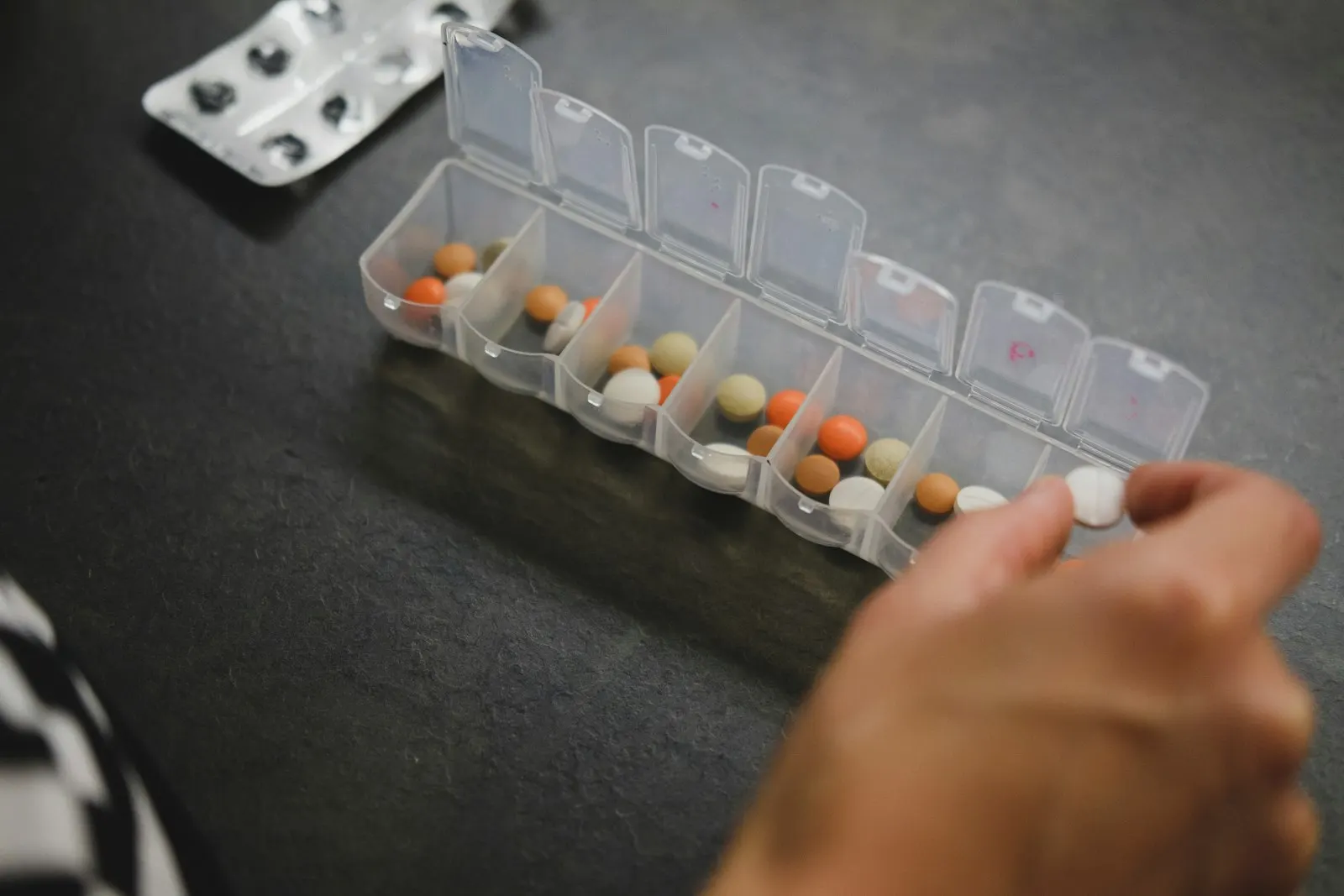
You can fly with prescription and over-the-counter medication in both carry-on and checked bags, and TSA says to put it in your carry-on so you can reach it. Pills and solids are allowed in unlimited amounts if they are screened. Liquid medication over 3.4 ounces is allowed in reasonable quantities, but you have to tell the officer about it first.
Everything below comes from TSA’s own pages, fetched October 16, 2026: the Travel Tips page, the Medical items list, and the liquid medications page. Where I lean on a third party, I name it.
What TSA says about pills
TSA’s Travel Tips page lists the basics under “Packing your meds.”
- You can bring medication in pill or solid form “in unlimited amounts if it is screened.”
- Medication can go in carry-on or checked baggage. TSA “strongly recommends” the carry-on, “in the event you need immediate access.”
- You do not need to tell an officer about medication unless it is in liquid form.
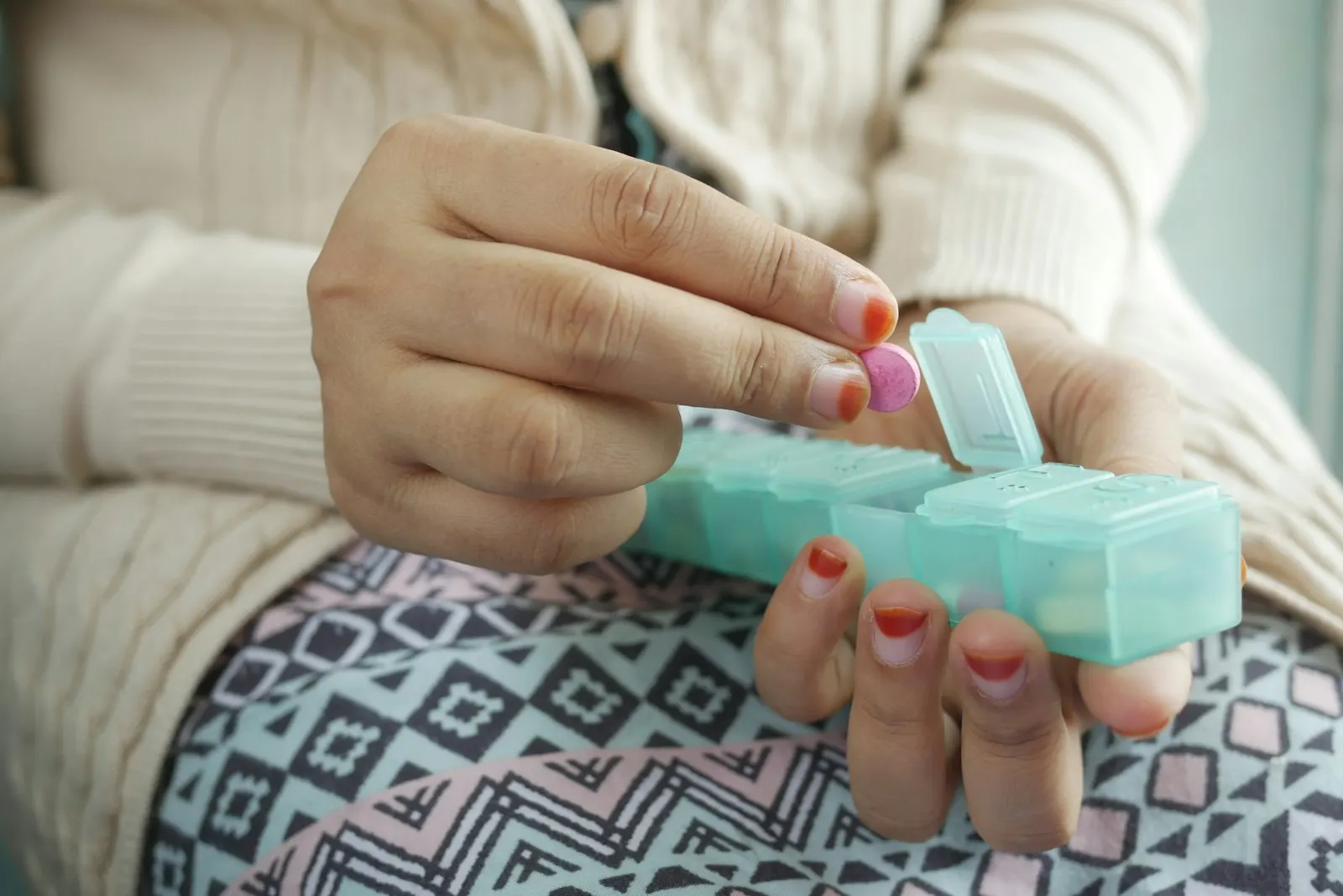
Nitroglycerin tablets and spray are also named as allowed on that page.
Do pills have to be in the prescription bottle?
No. TSA says it “does not require passengers to pack medicine in prescription bottles.” There is a catch: TSA adds that “certain state laws are in place regarding the labeling of prescription medicine, which require passengers to comply.”
So the federal checkpoint will not insist on the bottle, but labels still make life easier. Travelguard recommends keeping medication in original containers with clear prescription labels, and says unlabeled pills can lead to extra screening or delays.
If you use a weekly pill organizer, Travelguard suggests carrying copies of the prescription labels or a note from your healthcare provider. A travelers’ thread on the Las Vegas Advisor forum has people saying they fly with organizers and no bottles without trouble. Treat that as anecdote, not a guarantee, since the same thread notes that officers do not always follow the same procedure.
Liquid medication and the 3-1-1 rule
Medically necessary liquids are the one category where you have to speak up. TSA’s liquid medications page says it “allows larger amounts of medically necessary liquids, gels, and aerosols in reasonable quantities for your trip, but you must declare them to TSA officers at the checkpoint for inspection.”
The Travel Tips page adds three details:
- Medically required liquids do not need to go in a zip-top bag.
- You must tell the officer “at the start of the screening process.”
- They are “subject to additional screening that may include travelers being asked to open containers.”
This sits alongside the regular TSA liquids rule. Your cough syrup does not need to be 3.4 ounces, but your travel-size shampoo still does.
One warning from TSA’s medical list: oversized medically necessary liquids that alarm during screening may not be allowed through. It singles out contact lens solution, saying some brands contain chemicals that typically alarm, and recommends putting contact lens solution over 3.4 ounces in your checked bag.
Insulin, EpiPens, inhalers, and other injectables
TSA’s Medical items list marks blood sugar test kits, EpiPens, and inhalers as allowed in both carry-on and checked bags.
For diabetes supplies, TSA asks you to tell the officer you have diabetes and are carrying supplies. It also says “insulin pumps and supplies must be accompanied by insulin, and insulin in any form or dispenser must be clearly identified.”
If a pump or glucose monitor is attached to your body, tell the officers where it is before screening begins. TSA says the device is subject to additional screening, including visual inspection, and you may be asked to do a self pat-down of the device. A TSA notification card is optional, but it lets you describe a medical condition discreetly.
Travel Bug Health, a travel-health site, says unused syringes are allowed when they travel with the medication they are for, and that you should declare sharps before screening. Treat that as the site’s guidance rather than a TSA quote, and tell the officer at the start either way.
Cold packs and X-rays
Two practical points from the sources I checked:
- X-ray. TSA says officers normally screen medication by X-ray, but “if a passenger does not want medicine X-rayed, he or she may ask for a visual inspection.” You must ask before anything goes into the X-ray tunnel.
- Cooling packs. Travel Bug Health suggests an insulated medical travel case with a gel pack for temperature-sensitive medication such as insulin. Travelguard says to tell officers about cooling packs, syringes, or medical gels. I did not find a TSA page spelling out an exact ice pack rule, so tell the officer and let them inspect it.
Proof of prescription
TSA does not require a doctor’s note. Travelguard and Travel Bug Health both recommend carrying a copy of the prescription, and Travel Bug Health suggests a physician letter on letterhead for controlled substances.
A news story from KSL describes a traveler whose insulin pens came in a box of five, with the prescription shown only on the box and not on the pens. His fix was a copy of the prescription from a local clinic. If your label is on the outer box, keep the box.
If you need extra help at the checkpoint
TSA Cares runs a Passenger Support Specialist service. TSA’s page lists “traveling with medically necessary liquids, gels, or aerosols over 3.4oz” as a reason to ask for help, and asks you to contact them at least 72 hours before departure. The number is (855) 787-2227. Hours are 8 a.m. to 11 p.m. ET on weekdays and 9 a.m. to 8 p.m. ET on weekends and holidays.
TSA is clear that the service “does not exempt you from security screening.” And as it says on every item page, “the final decision rests with the TSA officer on whether an item is allowed through the checkpoint.”
If you have TSA PreCheck, the lane is faster, but the rule about declaring liquids does not change.
Where this goes wrong
- Medication in the checked bag. It is allowed, but a delayed bag leaves you without it. TSA recommends the carry-on.
- Not declaring a liquid. The declaration is the rule. Say it before your bags go on the belt.
- Flying abroad. Travelguard notes that international airports may have stricter controls and that some countries restrict certain ingredients. This guide covers TSA screening only, so check your destination’s rules separately.
- Assuming one officer’s answer applies everywhere. Pill organizer stories vary. Labels and a printed prescription are your backup.
If you are also checking a bag, see how fees compare by airline before you decide what goes where.
Frequently asked questions
Can I bring prescription pills on a plane? Yes. TSA allows pills and solids in carry-on and checked bags, in unlimited amounts if screened. It recommends the carry-on.
Do pills need to be in the original bottle? TSA does not require it, but some state laws on prescription labeling apply. Keeping labels on your medication avoids questions.
Does medication have to go in a clear bag? Not for medically necessary liquids. TSA says they do not need a zip-top bag, but you must declare them at the start of screening.
Can I bring more than 3.4 ounces of liquid medication? Yes, in reasonable quantities for your trip, if you declare it at the checkpoint. Expect extra screening, which may include opening containers.
Can I ask TSA not to X-ray my medication? Yes. Ask for a visual inspection before the items go into the X-ray tunnel.
Do I need a doctor’s note? TSA does not require one. A copy of your prescription or a letter is recommended by Travelguard and Travel Bug Health, especially for injectables or controlled medication.
Affiliate disclosure: some booking, card, and trusted-traveler links earn us a commission at no extra cost to you. Rankings and recommendations are set by true cost, never by payout.
Keep readingAll stories
Security · Oct 20
TSA PreCheck vs CLEAR: Which Is Better in 2026

Security · Oct 18