Your Rights · Sep 2
Red Eye Flight: What It Means, and How to Actually Sleep on One
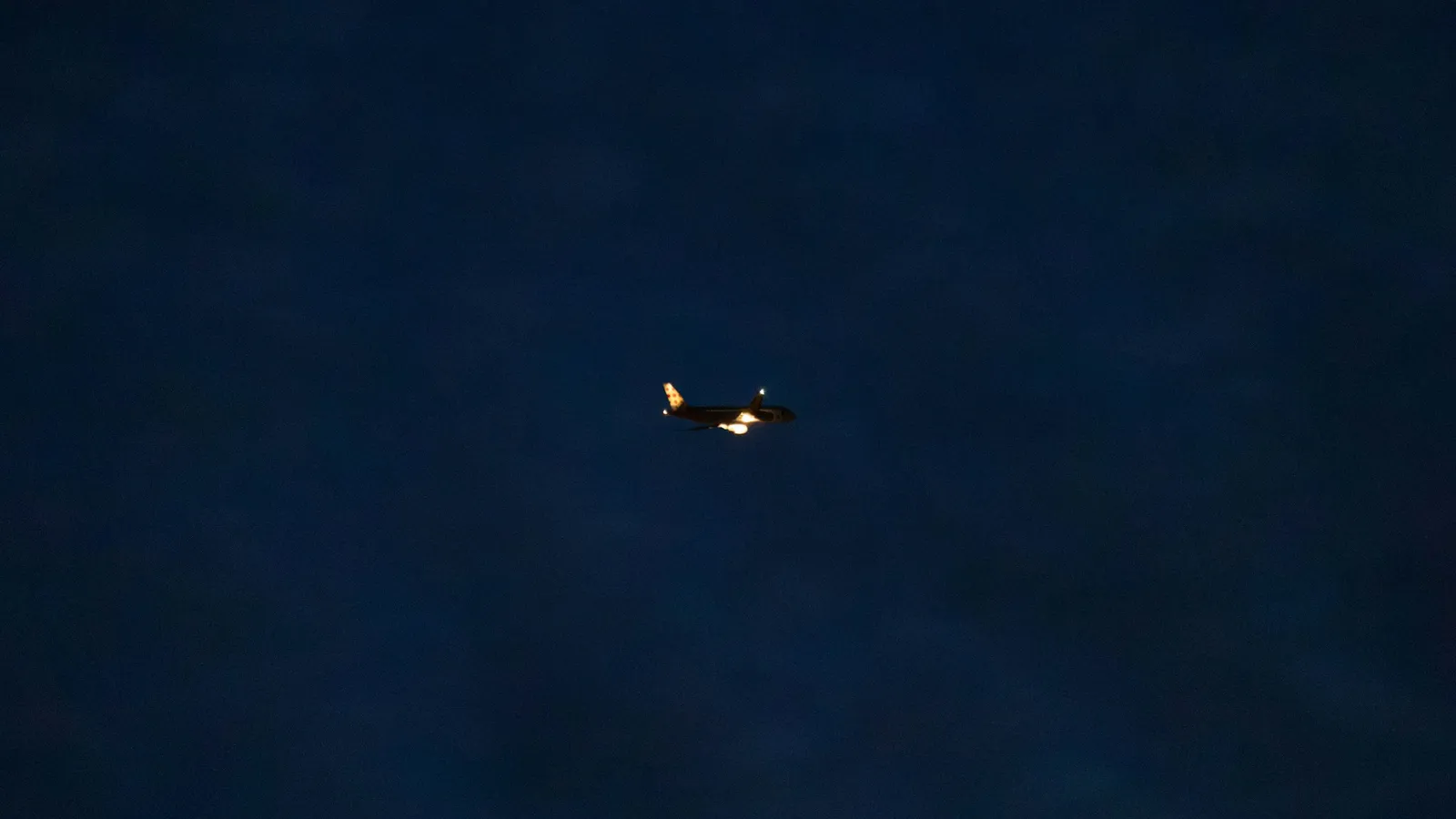
A red eye flight is an overnight flight that departs late at night, usually somewhere between 9 p.m. and midnight, and lands early the next morning, often before 8 a.m. The name comes from the tired, bloodshot eyes travelers show up with after a night of broken sleep in a reclined seat. Red-eyes are popular for a simple reason: they let you sleep while you travel, save a hotel night, and arrive with a full day ahead of you. Whether that trade actually works out depends entirely on how well you sleep, which is the hard part. Here is what the term means, the honest pros and cons, and the tactics that make the difference between arriving functional and arriving wrecked.
What counts as a red eye flight
There is no official cutoff, but in practice a red-eye is any flight that keeps you in the air through the hours you would normally be asleep. Most depart between roughly 9 p.m. and midnight, with a few pushing to 1 or 2 a.m., and arrive in the early morning. The defining feature is not the exact clock time. It is that the flight is scheduled to overlap your normal sleep window, so the airline is effectively selling you a seat instead of a bed for the night.
The term itself is old airline slang. It refers to the bloodshot eyes of passengers who did not sleep well on the way. That image is a useful warning: the whole strategy only pays off if you actually rest.
Why people take red-eyes
They are usually cheaper. Overnight departures generally carry lower base fares than peak daytime flights, because demand for a middle-of-the-night departure is lower. If price is your main concern, the red-eye is often the cheapest slot on the board for a given route.
They save a day and a hotel night. You leave after your last obligation at home and land in time for a full day at your destination. For a short trip, that can be the difference between two usable days and one. You also skip paying for a hotel room you would have slept through anyway.
The airport is calmer. Late-night terminals tend to have shorter security lines, fewer crowds, and fewer of the daytime delays that cascade through a packed schedule. The pre-flight experience is often the most relaxed part of a red-eye.
The honest downsides
The catch is fatigue, and it is a real one. A seat that reclines a few degrees is not a bed, and a night of fragmented sleep leaves you impaired the next day. Business-travel guidance now treats overnight-flight fatigue as a genuine performance and safety risk, with some corporate policies recommending a recovery window of 12 to 24 hours before an employee handles a client meeting or a high-stakes decision after a red-eye. Fatigue affects judgment, concentration, and decision quality, and no amount of coffee fully undoes it.
Two other realities to plan around:
- Eastbound red-eyes feel worse. Flying east compresses your night and fights your body clock harder than flying west. If you have a choice of direction, expect an eastbound overnight to hit you harder.
- Your realistic sleep target is low. In an economy seat, a good outcome is 2 to 3 hours of light sleep, not a full night. Once you accept that, the goal shifts from “sleep perfectly” to “sleep enough to function,” which is achievable.
Why sleeping on a plane is hard
It helps to know what you are fighting, because each obstacle has a countermeasure.
- The seat. A semi-upright position blocks the deep sleep stages your body wants. You can improve the angle, but not eliminate the problem.
- Noise. A cabin runs around 75 to 85 decibels of constant engine and system noise, loud enough to keep surfacing you out of sleep.
- Dryness. Cabin humidity sits around 10 to 20 percent, drier than most deserts, which dehydrates you and makes everything less comfortable.
- Temperature swings. Cabins drift between too cold and too warm, and you cannot control the thermostat.
- Your body clock. Crossing time zones, especially eastbound, puts your circadian rhythm out of step with the local time you are trying to adopt.
How to actually sleep on a red eye
Pick the right seat
The window seat is the consensus choice for sleepers. You get a wall to lean against, you control the shade, and, most importantly, you are never woken up to let a seatmate out to the aisle. Avoid the middle seat if you can, and steer clear of seats near the galley and lavatories, where foot traffic and light are constant. If your budget allows, an exit row, a bulkhead, or a premium economy upgrade, often in the range of $50 to $150 on a medium-haul flight, buys space that genuinely improves your odds of resting.
Bring the right gear
- Noise-canceling headphones. These are the highest-value item. They can bring that 75 to 85 decibel cabin down toward 40 to 50 decibels, roughly a quiet bedroom.
- A structured neck pillow. A firm, shaped pillow holds your head better than the soft U-shaped kind that lets your chin drop.
- A full-blackout eye mask. Darkness is what signals your body to produce melatonin, so a mask that actually blocks light matters more than a fancy one.
- A warm layer. Cabins run cold. A sweater or wrap you can add or shed lets you manage the temperature swings.
- Compression socks. Light compression, around 15 to 20 mmHg, helps circulation on a long night in a cramped seat.
Handle sleep aids carefully
If you use melatonin, 3 to 5 mg taken 30 to 60 minutes before you want to sleep is the useful range. Higher doses do not work better and can leave you groggy in the morning, so more is not better here. Whatever aid you consider, test it at home first so a red-eye is not where you discover a bad reaction.
Skip alcohol as a sleep aid. It makes you drowsy at first, then fragments your sleep and degrades its quality, and you wake up feeling worse than if you had stayed awake. Never combine sleep medication with alcohol.
Set yourself up before the flight
- Arrive a little sleep-deprived. Getting 2 to 3 hours less sleep the night before builds sleep pressure, so you are actually tired when you board.
- Cut screens before you try to sleep. Blue light suppresses melatonin, so put the phone away at least half an hour before you want to drift off.
- Hydrate on a schedule, not at the gate. Drinking 16 to 24 ounces of water a couple of hours before departure, then emptying your bladder right before boarding, keeps you hydrated against the dry cabin without waking you for the lavatory mid-flight.
- Eat light. A heavy meal before a red-eye works against sleep. Keep it small.
Landing well: the recovery half
How you handle the morning matters as much as the flight. The goal is to lock onto local time as fast as possible.
- Get into natural light. Daylight is the strongest signal to reset your body clock. Step outside or find a bright window soon after you land.
- Eat a real breakfast on local time. Meals help anchor your rhythm to the new schedule.
- Do not nap until local bedtime. A long daytime nap after a red-eye feels irresistible and wrecks the adjustment. If you are truly failing, a single 20-minute power nap is the most you should allow.
- Keep the first day light. Do not schedule anything that needs your full sharpness right off the plane. Plan the demanding parts of your trip for day two.
Is a red eye flight worth it?
For a lot of trips, yes. If the fare is meaningfully lower, you can sleep at least a little, and your first day at the destination is flexible, a red-eye buys you time and money. It works best westbound, on a route where you can grab a window seat, and when you have prepared instead of just hoping to pass out.
It is the wrong call when you land straight into something that demands you be sharp, when you know you truly cannot sleep sitting up, or when an eastbound overnight would leave you running on nothing for a packed schedule. In those cases, a daytime flight or an early morning departure after a real night’s sleep is worth the extra cost.
The travelers who fly red-eyes well are not the ones who sleep like a rock at 35,000 feet. They are the ones who expect two or three hours of light rest, prepare for it, and keep the next morning gentle. Set the target that low and prepare properly, and the overnight flight quietly becomes one of the most efficient ways to travel.
Affiliate disclosure: some booking, card, and trusted-traveler links earn us a commission at no extra cost to you. Rankings and recommendations are set by true cost, never by payout.
Keep readingAll stories

Fares & Bags · Sep 1
How to Set Up Flight Alerts and Save on Airfare
Fares & Bags · Aug 30