Security · Nov 1
Seat Pitch by Airline: Economy Legroom on Every Major US Carrier in 2026
The answer
Seat pitch on US airlines in 2026 runs from 28 inches on Frontier to about 32.3 on JetBlue, with the big three — Delta (31), United (30.1), and American (30.2) — clustered in the middle and Southwest above them at 31.8. The spread sounds small; four inches is the difference between working on a laptop and not opening it. If you are over six feet, the cheapest comfort move is picking the airline with the better baseline rather than paying the same carrier $30-plus to give the inches back as an extra-legroom seat.
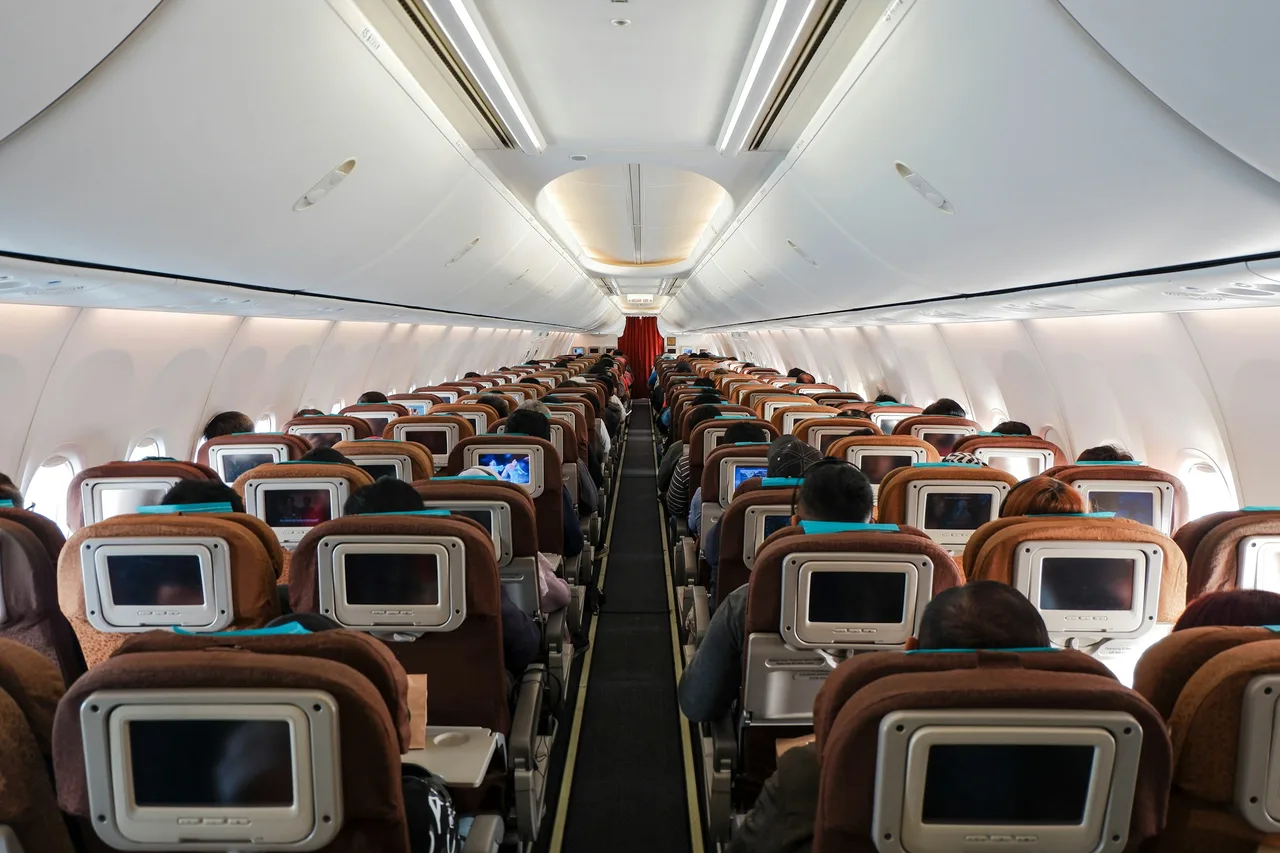
Seat pitch — the distance from a point on your seat to the same point on the seat ahead — is the closest thing economy flying has to an honest comfort number. On US airlines in 2026 it spans about four and a half inches: JetBlue leads at a 32.3-inch average, Southwest follows at 31.8, Delta and Alaska hold 31, American and United sit just above 30, and the ultra-low-cost carriers run 28 to 30.
Four inches reads like nothing on paper. At knee level it is the difference between crossing your legs and pressing them into a seatback for five hours.
The figures below reflect fleet averages and published cabin specs as of 2026, compiled from current cabin comparisons and the carriers’ own seat maps. Pitch varies by aircraft type within a single airline — a carrier’s newest narrowbody is often its tightest — so treat these as the number you will most likely get, and check your specific flight’s aircraft if an inch matters to you.
Economy seat pitch by airline
| Airline | Standard economy pitch | Extra-legroom option (pitch) |
|---|---|---|
| JetBlue | 32.3” | Even More Space (~37”) |
| Southwest | 31.8” | Extended legroom rows arriving with assigned seating |
| Delta | 31” | Comfort+ (~34”) |
| Alaska | 31” | Premium Class (~35”) |
| American | 30.2” | Main Cabin Extra (~33–34”) |
| United | 30.1” | Economy Plus (~34”) |
| Sun Country | 29” most rows | Best seats ~34”, exit rows to 38” |
| Hawaiian | 29” | Extra Comfort (~36”) |
| Avelo | ~29” | Stretch rows 32–36” |
| Allegiant | 28–30” | Legroom+ ~34”, exit rows ~35” |
| Frontier | 28” | Stretch (~36–38”) |
Spirit Airlines ceased operations in May 2026 and is not listed.
Reading the table honestly: the “big three” are not generous — they are average, and the average has been shrinking for two decades. The industry’s long slide took standard pitch from 34 inches in the 1990s to the 30–31 that now passes for normal. JetBlue’s 32.3 is “most legroom in US economy” only because everyone else gave theirs up.
What pitch does and doesn’t tell you
Pitch is not literal legroom. It is seat-spacing. Two airlines with identical 31-inch pitch can feel different because seatback thickness varies — the newer “slimline” seats reclaim an inch or more of knee space from the same pitch, which is partly how carriers squeezed pitch down without riots. A 30-inch-pitch slimline can feel roomier than a 31-inch recliner from 2010.
Width is the other half. Most US narrowbodies seat economy at 17 to 18 inches wide, and pitch tables ignore it. If you are broad-shouldered, a 737’s 17-inch seat at 31-inch pitch may bother you more than an A320’s 18-inch seat at 30.
Within one airline, the aircraft decides. The same carrier can give you 31 inches on one aircraft type and 29 on the high-density version of another. When comfort matters — a transcon, a red-eye — look up the aircraft on your specific flight before assuming the brand average applies. Row position matters at least as much as pitch once you are aboard; our best seats on a plane guide covers which rows earn their keep.
The extra-legroom upsell, priced against the baseline
Every US carrier now sells its lost inches back as a product: Economy Plus, Comfort+, Main Cabin Extra, Even More Space, Stretch. They are real — 33 to 38 inches is a genuinely different experience — but the pricing logic rewards comparison shopping.
If United’s 30.1-inch baseline sends you to a ~$29-and-up Economy Plus seat on every flight, while JetBlue’s standard cabin gives you 32.3 for the base fare on the same route, the “cheaper” United ticket is often the more expensive trip. The same trap runs steeper on the ultra-low-cost carriers: Frontier’s 28-inch baseline is tight enough that many travelers over six feet treat Stretch as mandatory, and a mandatory $40–$55 add-on belongs in the fare comparison, not the fine print. This is the same unbundling arithmetic as bag fees, where the headline fare and the checkout price are different numbers — checked bag fees by airline runs that side of it.
A rule of thumb that holds up: under about 5’10”, the baseline differences are an annoyance; over 6’0”, pitch below 30 inches is a real cost, and you should either fly the higher-pitch carriers or price the extra-legroom seat into every fare you compare. The fare-class fine print matters too — on the big three, a basic economy ticket typically boards last, which is its own comfort tax when overhead bins fill; see basic economy vs. main cabin.
How to actually get more legroom without paying much
- Pick the airline before the seat. JetBlue or Southwest over the big three on a comparable fare is a free two-inch upgrade.
- Check the aircraft type at purchase, not just the airline. Avoid the high-density layouts of the plane you are on.
- Exit rows are the value play. On Allegiant, Sun Country, and Frontier, exit-row pitch (35–38”) rivals the premium cabins of mainline carriers for a fraction of a first-class fare.
- Price extra-legroom at purchase, not at check-in. The same seat is almost always cheapest the day you buy the ticket.
- Bulkhead is pitch without stretch. No seat ahead means no one reclining into you, but the wall caps your legs and your bag goes overhead for takeoff. Tall travelers usually do better in an exit row.
Pitch figures above are 2026 fleet averages and published cabin specs, compiled in September 2026 from current US cabin comparisons and carrier seat maps. Airlines reconfigure cabins without fanfare, and pitch can differ between aircraft on the same route — confirm the seat map for your specific flight before paying for an upgrade an adjacent flight includes for free.
Affiliate disclosure: some booking, card, and trusted-traveler links earn us a commission at no extra cost to you. Rankings and recommendations are set by true cost, never by payout.
Keep readingAll stories
Security · Oct 20
TSA PreCheck vs CLEAR: Which Is Better in 2026

Security · Oct 18