Security · Nov 1
United Seat Selection Fees in 2026: What Each Seat Type Costs
The answer
On United, whether you pay to pick a seat comes down to your fare class. Regular economy and above get free standard seat selection at purchase. Basic economy pays from $15 per person, per flight, for any advance seat assignment, from $36 for a preferred seat, and from about $29 for Economy Plus. The cheapest legal move is also the simplest: skip the fee and take the free random assignment at check-in — United must still give you a seat, and children under 12 are seated next to an accompanying adult without charge.
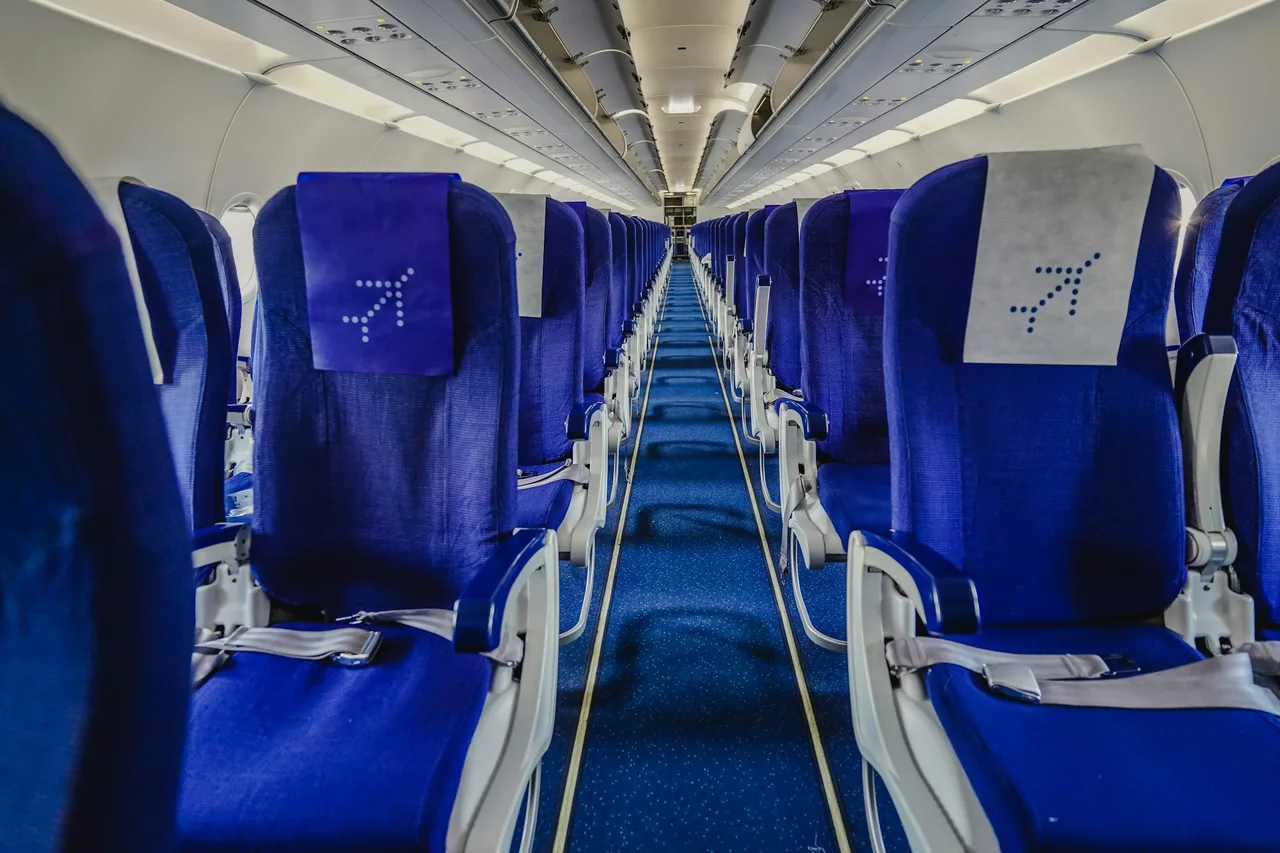
United charges a seat selection fee only on some tickets, and the amount depends on the seat, the route, and your fare class. As of September 2026, advance seat assignment on a basic economy ticket starts at $15 per person, per flight. A preferred seat — a standard-legroom seat closer to the front — starts at $24 on a regular economy fare and $36 on basic economy. Economy Plus, United’s extra-legroom section, starts around $29 per flight and climbs on longer routes.
If you bought regular economy (not basic), you can pick a standard seat from the map at purchase for free. The fee conversation is almost entirely a basic economy problem, which is exactly how United designed it.
The numbers here were verified in September 2026 against United’s published seat options and current reporting on its fees. Seat pricing is dynamic — the same preferred seat costs more on a transcontinental flight than on a 90-minute hop — so treat every figure below as a starting price, not a flat rate.
What United charges, by seat type
| Seat type | Regular economy fare | Basic economy fare |
|---|---|---|
| Standard seat, assigned in advance | Free | From $15 per flight |
| Preferred seat (front of economy) | From $24 | From $36 |
| Economy Plus (extra legroom) | From ~$29 | From ~$29, where offered |
| Random assignment at check-in | Free | Free |
Three things that table hides.
First, every fee is per person, per flight segment. A family of four connecting once each way can multiply a “$15” fee into $240 before anyone has boarded.
Second, preferred seats are not bigger. A preferred seat is a standard-legroom seat in a better row position. You are paying for location and earlier exit, not space. If you want actual legroom, that is Economy Plus, which United prices separately and also sells as an annual subscription starting at $599 plus tax for frequent flyers.
Third, the random assignment at check-in is genuinely free on every fare, including basic economy. United assigns you whatever is left. You risk a middle seat in the back, but you do not risk being denied boarding for refusing to pay.
When you do not have to pay
You can skip the seat selection fee entirely in any of these cases:
- You bought regular economy or above. Standard seat selection from the map is included. Only preferred and Economy Plus seats cost extra.
- You have status. MileagePlus elite members get complimentary access that scales with tier — Economy Plus at booking for Gold and above, preferred seats for Silver and above.
- You are traveling with a child under 12. United’s family seating policy guarantees children under 12 a seat adjacent to an accompanying adult at no charge, on every fare type including basic economy. If the seat map cannot accommodate the family together, United lets you switch to a flight that can, without a fare difference.
- You wait for check-in. Free random assignment, on any fare.
The family rule is worth underlining because it is the one travelers most often pay for unnecessarily. If your party is two adults and two kids under 12, you do not need to buy four seat assignments to avoid being scattered — the children ride next to at least one adult for free. US carriers adopted guaranteed family seating under Department of Transportation pressure, and United’s version is among the more generous.
How United compares with other US airlines
Seat fees are a fare-class game across the industry, and United sits in the middle of the pack, as of September 2026.
| Airline | Who pays to pick a seat | Starting price |
|---|---|---|
| United | Basic economy only (standard seats) | From $15 |
| Delta | Basic economy only | From $15 |
| American | Basic economy only | From ~$10 |
| Frontier | Everyone | From ~$15, up to ~$55 for Stretch |
| Allegiant | Everyone (or free random at check-in) | ~$1 to $80 |
Two notes on that table. American tightened its rule in May 2026: basic economy passengers now pay for seat selection even if they hold elite status, a carve-out United has not matched. And on the ultra-low-cost carriers — Frontier, Allegiant — there is no fare class that includes free advance selection; the fee is the business model. Spirit Airlines ceased operations in May 2026 and is not included.
The pattern to internalize: on the big three, the seat fee is a basic economy surcharge. If you find yourself paying $15 to sit with your travel companion plus $35 for a carry-on, the honest comparison is against the regular economy fare, which often costs about the same once the add-ons stack up. Our basic economy vs. main cabin breakdown runs that math in full.
Is a paid seat worth it on United?
It depends on which fee you are looking at.
The $15 basic economy standard seat assignment is rarely worth it for a solo traveler on a short flight. The free check-in assignment gets you on the same plane in the same class of seat. Pay it only if you have a strong aisle-or-window preference and the flight is long.
Preferred seats ($24–$36) buy position, not comfort. They make sense on a tight connection, where six rows can decide whether you make the next gate, and almost never otherwise.
Economy Plus (from ~$29) is the only one of the three that changes the physical product — several extra inches of pitch. On a flight over three hours, it is the defensible upgrade, and it is cheaper bought at booking than at the gate. Which seats give the most room for the money is its own topic; see the best seats on a plane for the row-by-row logic.
If you are paying any of these fees on every trip, the arithmetic usually says to stop buying basic economy rather than to keep buying seats.
How to pay the least for a United seat
- Price the regular economy fare before you buy basic plus a seat fee. The gap is often smaller than the fees you are about to add.
- Flying with kids under 12? Do not buy adjacency — United’s family seating policy provides it free on every fare.
- If you will not pay, do nothing and check in on time. Random assignment is free and boarding is guaranteed.
- Want real legroom, not a better row? Put the preferred-seat money toward Economy Plus instead.
- Check the seat map again at check-in. Paid seats that never sold sometimes open up as free standard selections once the airport controls the map.
Fees above are as of September 2026 and were verified against United’s current seat options pages and recent independent reporting. United prices seats dynamically by route and date, so the figures shown are starting prices. Confirm the exact fee on your reservation’s seat map before paying — and before paying twice, check whether the regular economy fare was the better deal all along.
Affiliate disclosure: some booking, card, and trusted-traveler links earn us a commission at no extra cost to you. Rankings and recommendations are set by true cost, never by payout.
Keep readingAll stories
Security · Oct 20
TSA PreCheck vs CLEAR: Which Is Better in 2026

Security · Oct 18