
Security · Nov 1
Can You Bring a CPAP Machine on a Plane? TSA and Airline Rules
The answer
Carry your CPAP on in its own bag. It does not count toward your carry-on limit, TSA will X-ray it, and any use in flight is governed by your airline's notice and battery rules, so call before you fly.
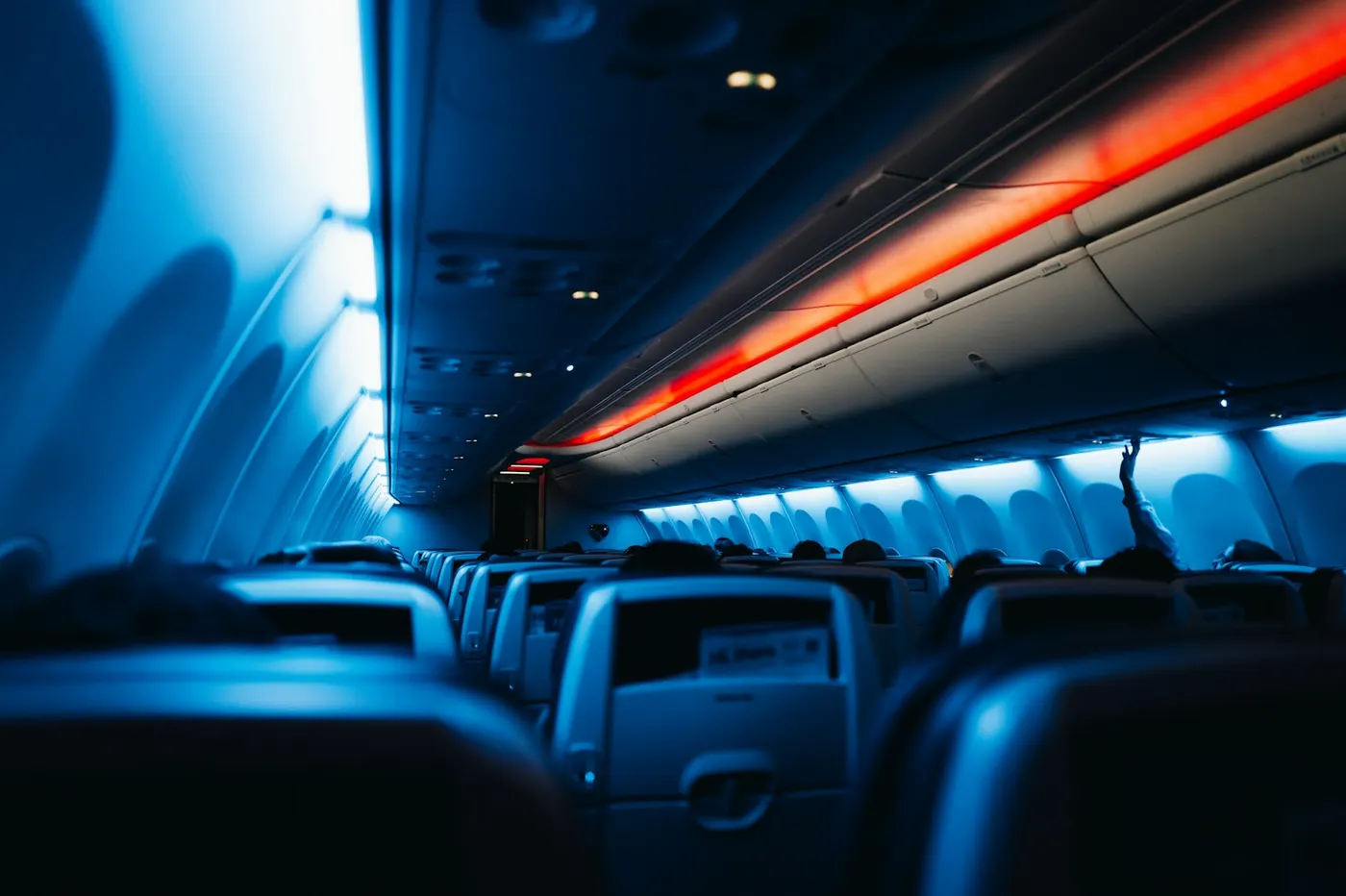
Yes, you can bring a CPAP machine on a plane. TSA lists CPAP, BiPAP, and APAP machines as allowed in both carry-on and checked bags, and carrying it in its own case means it does not count as your carry-on or personal item. Using it in flight is the part that takes planning, because each airline sets its own notice and battery rules.
Security rules below come from TSA’s page on nebulizers, CPAPs, BiPAPs, and APAPs, checked October 15, 2026. Airline details come from the Sleep Foundation and Sleep Apnea.org summaries of each carrier’s policy. I could not load the airline pages directly on this check, so confirm with your airline before you rely on a specific number.
What TSA says about CPAP machines
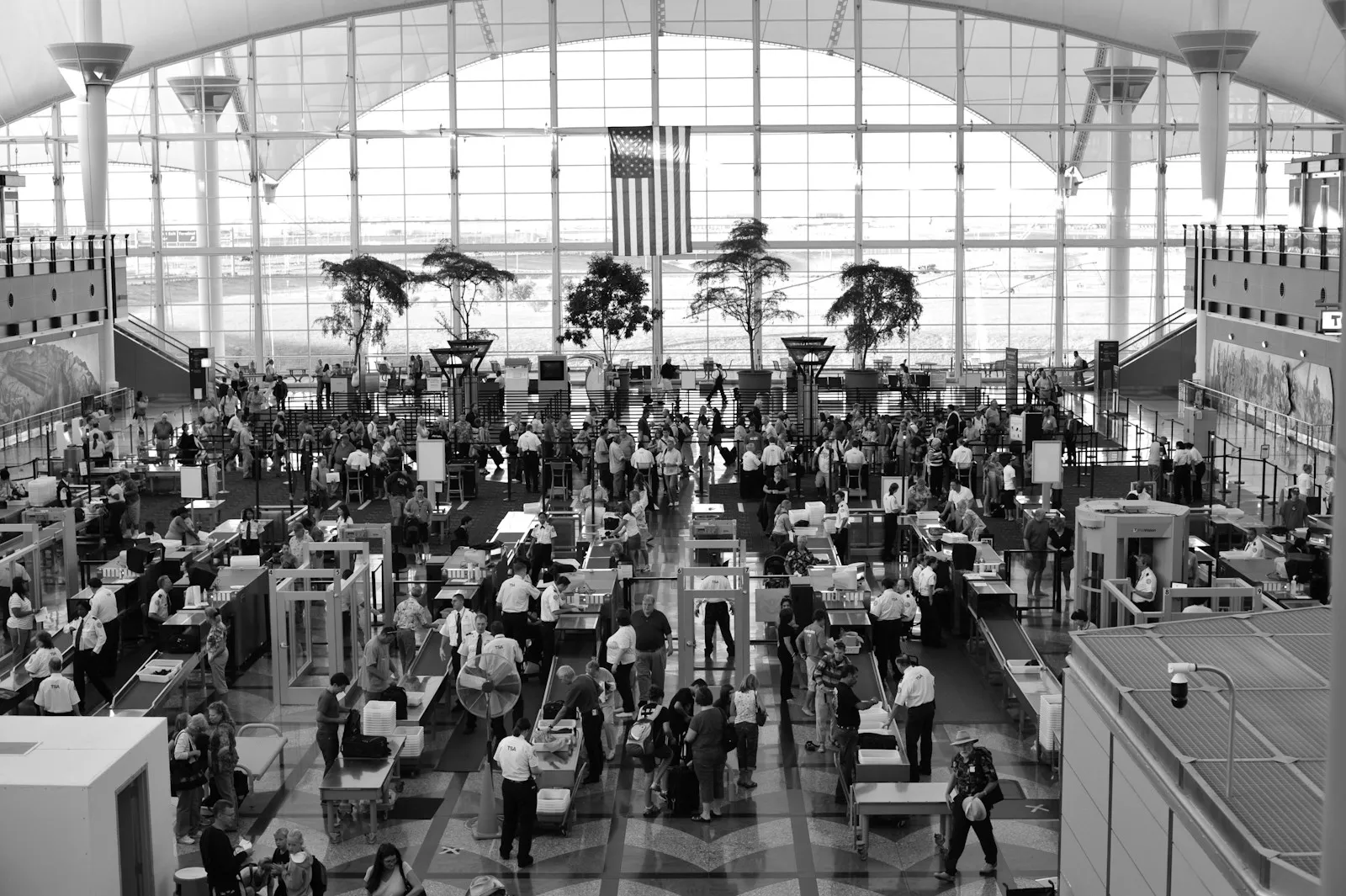
TSA marks CPAP, BiPAP, and APAP machines as “allowed, with special instructions” for both carry-on and checked bags. In the standard lane, the machine, the mask, and the tubing “may remain in their carrying case for X-ray screening,” but an officer “may be required to” have you take them out.
If you have TSA PreCheck, TSA says the items “may remain in their carrying case, and in the carry-on, for X-ray screening.” That is one practical reason to consider PreCheck if you fly with a medical device often.
TSA also says “the final decision rests with the TSA officer on whether an item is allowed through the checkpoint.” Plan for the machine to come out of the bag.
Does a CPAP count as a carry-on?
No, in most cases. Both the Sleep Foundation and Sleep Apnea.org say a CPAP packed in its own case does not count toward your carry-on or baggage limit, and the Sleep Foundation ties this to an amendment to the Air Carrier Access Act of 1986.
The condition that matters is the “own case” part. The Sleep Foundation reports that JetBlue and Spirit charge a bag fee if personal items such as clothes or toiletries are packed in the CPAP bag. Keep that bag for the machine and its accessories only.
Your regular bag still has to meet the carry-on size limit for your airline. The CPAP bag is the extra one.
Carry-on or checked bag?
Carry it on. TSA allows both, but a checked bag can be delayed, lost, or handled roughly, and you may need the machine the night you land.
The same advice shows up in a CPAPtalk forum thread from 2008, where one poster urged others to carry on their CPAP after their luggage was lost for a day and a half. That is one person’s account from years ago, not current policy, but the risk it describes has not changed.
One more rule applies if you bring a battery. The Sleep Foundation says lithium or lithium ion batteries for a CPAP cannot travel in checked luggage because of the fire risk, so they go in your carry-on.
Going through security
- Put the machine in its own bag, separate from your other luggage.
- Bring a clear plastic bag so you can place the machine in the bin without it touching the tray.
- Empty the humidifier water chamber before you reach the checkpoint. Sleep Apnea.org notes you cannot bring liquids in containers over 3.4 ounces, and the 3-1-1 liquids rule applies to that water.
- Tell the officer what it is when you reach the belt.
Forum accounts of screening are mostly uneventful. In that same thread, one poster described staff who “knew what it was and what to do” and a swab test that was “routine and quick.” Another, stopped at San Francisco security over the number of carry-on bags, said “It’s a CPAP” and was let through.
Documentation is optional. Sleep Apnea.org suggests a prescription or a doctor’s letter for a smoother screening, and the Sleep Foundation says medical paperwork “isn’t required” to use a CPAP on a flight.
Using your CPAP during the flight
Bringing it and using it are different questions. The Sleep Foundation says the law requires airlines to allow FAA-approved CPAP machines on aircraft with 19 or more seats, and that you can find out whether yours qualifies from the label on the back or bottom of the machine. If there is no label, check the manufacturer’s website.
Both sleep sites say to contact the airline at least 48 hours before departure if you plan to use the machine. You do not need to tell the airline just to carry it, according to Sleep Apnea.org.
Power is where airlines differ. As summarized by those two sites:
| Airline | In-flight use | Power |
|---|---|---|
| American | May check the machine if the cabin is full and you do not need it in flight | Some seats have outlets, but power is not guaranteed |
| Delta | Allowed with batteries | Outlets are not designed for medical devices; bring a battery that lasts 150% of the flight time |
| United | FAA-approved machines with the label; call 48 hours ahead | Power not guaranteed; battery should cover flight, airport time, and 3 extra hours |
| Southwest | Carry-on or checked allowed | USB ports cannot power a medical device |
| Alaska | 48 hours’ notice recommended | Seat power not guaranteed; battery for 150% of flight and ground time |
| Frontier | Battery-powered units with an FAA-approved sticker | No plugging into on-board outlets; 150% of flight time |
Policies as summarized by the Sleep Foundation and Sleep Apnea.org, not verified on each airline’s own page this check.
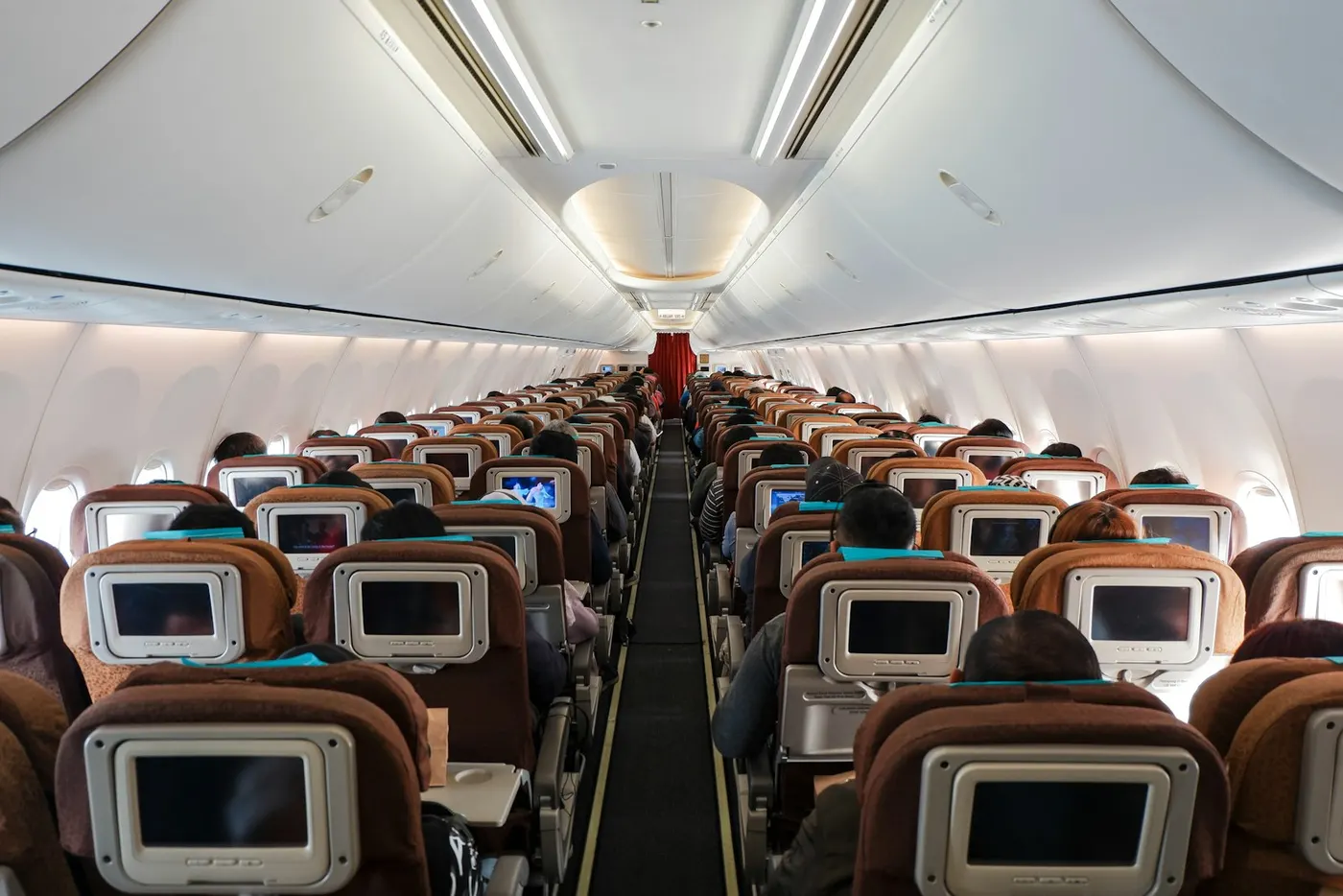
The pattern is easy to act on. Assume you will not have a working outlet, bring a battery sized for the flight plus the time on the ground, and keep it in your carry-on.
Water, humidity, and altitude
Sleep Apnea.org says you typically will not have distilled water on board, and recommends an in-line humidifier if you need humidity in the air. Without one, it says using the machine dry is better than skipping therapy.
It also says most modern CPAP machines compensate for altitude automatically up to about 8,500 to 9,800 feet, while cabins are usually pressurized to roughly 6,000 to 8,000 feet. Check your machine’s altitude limit in its manual.
Where this goes wrong
Three things trip people up.
- A full flight on American. The airline can put the machine in checked baggage if the cabin is full and you do not need it in flight, so tell the gate agent early that you will use it.
- A battery that is too small. Delta and Alaska both ask for 150% of the flight time. Use the battery runtime on the manufacturer’s spec sheet, not your best guess.
- No label. United may ask to see the FAA approval label, so find it before you leave home.
One honest caveat
I could not verify each airline’s current wording on its own site, and airlines change medical device policies without announcement. Call the airline’s disability or accessibility line before you fly, and write down who you spoke with. If you are using the machine in flight, that call is not optional.
If you are also checking a bag, see how fees compare by airline before you decide what goes where.
Frequently asked questions
Can you bring a CPAP machine on a plane? Yes. TSA allows CPAP, BiPAP, and APAP machines in carry-on and checked bags, with special screening instructions.
Does a CPAP machine count as a carry-on? Not when it is packed in its own case. Keep clothes and toiletries out of that bag, since JetBlue and Spirit are reported to charge a fee if they are in it.
Do I need a doctor’s note to fly with a CPAP? No. The Sleep Foundation says medical paperwork is not required to use a CPAP on a flight. A prescription or a letter can still help at the checkpoint.
Do I have to take my CPAP out at TSA? Possibly. TSA says the machine may remain in its case for X-ray in the standard lane but may be required to come out. With PreCheck it may stay in the carry-on.
Can I use my CPAP on the plane? Yes, if it is FAA approved. Call the airline at least 48 hours ahead and bring a battery, because outlets are not guaranteed.
Can I put a CPAP in checked baggage? Yes, but carry it on. A lost bag leaves you without it, and lithium batteries cannot go in checked luggage.
Affiliate disclosure: some booking, card, and trusted-traveler links earn us a commission at no extra cost to you. Rankings and recommendations are set by true cost, never by payout.
Keep readingAll stories
Security · Oct 20
TSA PreCheck vs CLEAR: Which Is Better in 2026
Security · Oct 18