
Security · Nov 1
Can You Bring a Portable Charger on a Plane? TSA and Airline Rules
The answer
Pack the power bank in your carry-on, never your checked bag, and check that the label reads 100Wh or less. Then check your airline's page, because several carriers now limit how many you can bring and where you can keep them.
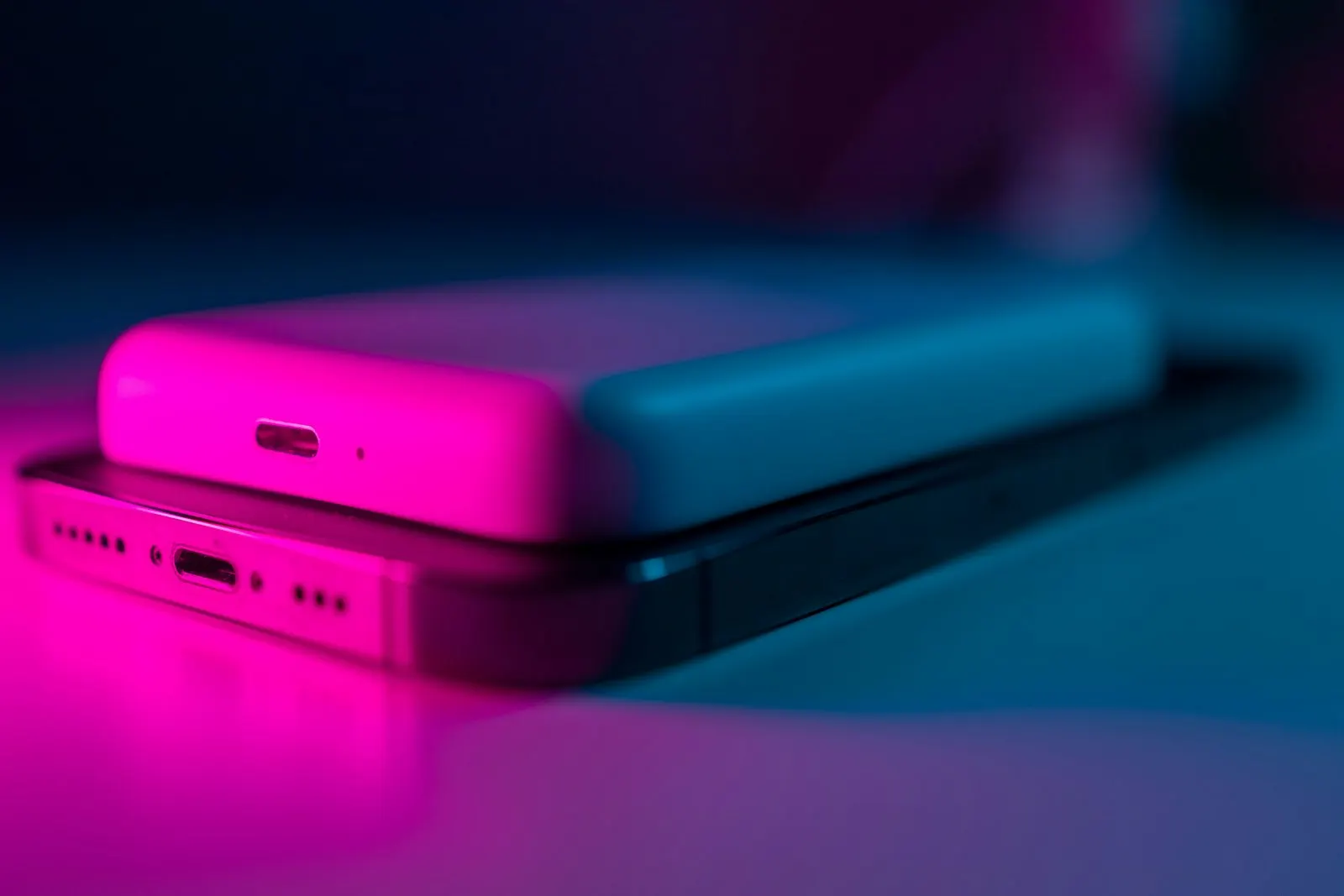
Yes, you can bring a portable charger on a plane, but only in your carry-on. TSA says power banks “must be packed in carry-on bags” and are prohibited in checked luggage. Banks rated 100 watt-hours (Wh) or less need no approval. What has changed in 2026 is the airline layer: some carriers now limit how many you can carry, bar the overhead bin, and ban charging the bank from seat power.
The federal rules below come from TSA’s power bank page (last updated May 14, 2025) and the FAA’s lithium battery page (updated August 11, 2026). Airline rules come from each airline’s own support page, fetched October 17, 2026, where I name it. Where I could not load a page, I say so.
What TSA and the FAA say
TSA’s page is short. Carry-on bags: yes. Checked bags: no. It says portable chargers or power banks containing a lithium ion battery “must be packed in carry-on bags,” and that spare lithium batteries, “which include both power banks and phone chargers, are prohibited in checked luggage.”
The FAA gives the reason and the limits:
- All lithium ion batteries “are capable of overheating and undergoing a process called thermal runaway,” which “can occur without warning.”
- Flight crews “are trained to recognize and respond to lithium battery fires in the cabin,” which is why spare batteries ride in the cabin and not the cargo hold.
- Rechargeable lithium ion batteries are limited to “a rating of 100 watt hours (Wh) per battery.”
- With airline approval, you can carry up to two larger spares in the 101 to 160 Wh range.
- There is no federal quantity limit for most batteries, but the FAA warns that “many airlines… may have stricter quantity and Wh limits,” so check yours.
TSA also notes that “the final decision rests with the TSA officer on whether an item is allowed through the checkpoint.”
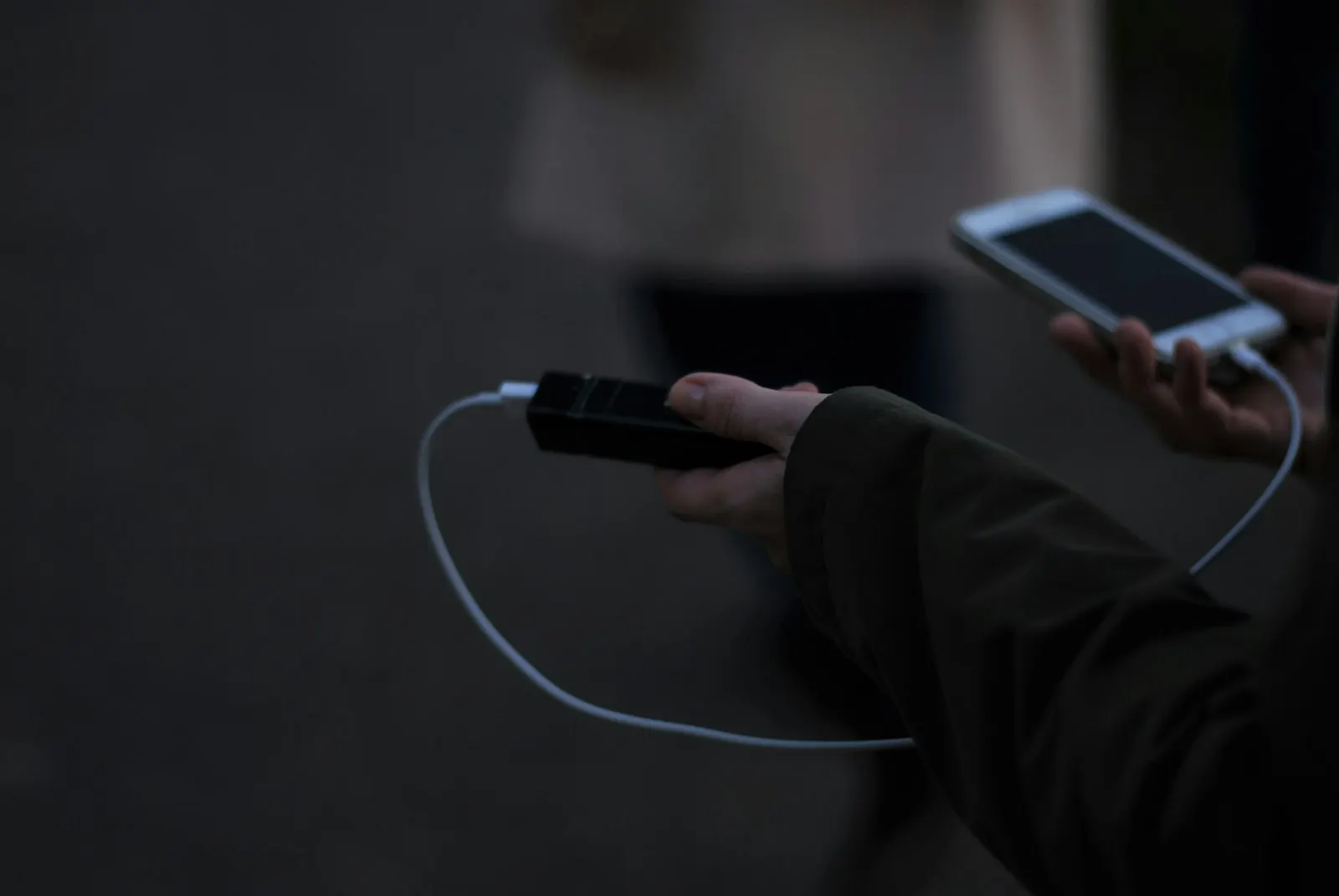
Which power banks are allowed
It comes down to the watt-hour rating printed on the bank, not the milliamp-hours (mAh) on the box.
| Rating | Carry-on | Checked bag |
|---|---|---|
| 100Wh or less | Yes, no approval needed | No |
| 101 to 160Wh | Yes, with airline approval, 2 at most | No |
| Over 160Wh | No | No |
The first two rows come straight from the FAA page. The over-160Wh row follows from the FAA’s cap: it names nothing above 160Wh as allowed. Several US airlines go further, as the table below shows.
How to find the watt-hours
Many newer batteries print the Wh rating on the case. If yours shows only mAh, the FAA’s tip is to multiply the battery voltage by the amp-hours.
Belkin, a power bank maker, says cell voltage typically runs between 3.6V and 3.8V in its own products. Using that range and the FAA formula, here is what common sizes work out to:
| Label capacity | At 3.6V | At 3.8V |
|---|---|---|
| 10,000mAh | 36Wh | 38Wh |
| 20,000mAh | 72Wh | 76Wh |
| 26,800mAh | 96.5Wh | 101.8Wh |
| 30,000mAh | 108Wh | 114Wh |
So a 10,000mAh or 20,000mAh bank is well under the line. A bank near 27,000mAh could land on either side, so read the Wh on the label. A 30,000mAh bank is over 100Wh and would need airline approval, if your airline allows banks that size at all.
The numbers in the table are my own arithmetic from the FAA formula and Belkin’s stated voltage range. The rating printed on your bank is the one that counts.
The 2026 changes: how many, and no charging
On March 27, 2026, the International Civil Aviation Organization (ICAO) put new power bank limits into effect. Its announcement says these devices “will now be limited to two per passenger” and that passengers “will be prohibited from recharging them during flights.” The page does not say how individual airlines will apply the rule.
For US domestic flights, the FAA still sets no count for banks of 100Wh or less. The limits that matter on a domestic trip are your airline’s. Three I could load directly:
| Airline | How many | Capacity | Stowage and use |
|---|---|---|---|
| Southwest | 1 per customer, from April 20, 2026 | 100Wh max | Visible while in use, in a personal item under the seat, not the overhead bin. No charging from seat power. |
| Delta | 2 | 100Wh each, “with no exceptions” | Under the seat or in the seatback pocket, not the overhead bin. Not recharged on board, and not used to charge a device during taxi, takeoff, or landing. |
| JetBlue | 2 | 100Wh max | Under the seat, not the overhead bin. Not recharged on board, and not used to charge a device on board. |
Note the Southwest and Delta wording on capacity. On those two, the 101 to 160Wh approval route the FAA describes does not apply to power banks.
I could not load American’s or United’s pages on this check (one returned an error, the other timed out). Belkin’s travel guide reports a two-bank limit for both and an overhead-bin ban at both, but that is a vendor’s summary, not the airline’s page. Treat it as a pointer and read the airline’s own page before you fly.
Where to keep it in flight
The pattern across the three airlines I verified is the same: keep the power bank where you can see and reach it, and not in the overhead bin. That makes sense given the FAA’s note that crews are trained to respond to cabin battery fires. A bank in a bin is a bank nobody can see smoking.
So pack it in your personal item, under the seat in front of you. If the airline checks your carry-on at the gate, the FAA says all spare lithium batteries and power banks “must be removed from the bag and kept with the passenger in the aircraft cabin.”
Also protect the terminals. The FAA says they must not touch other metal, and suggests the retail packaging, tape over the contacts, a battery case, or a snug plastic bag or pouch. Delta’s page repeats this.
Damaged and recalled banks
The FAA says damaged or recalled batteries “likely to create sparks or generate a dangerous evolution of heat must not be carried aboard an aircraft,” in carry-on or checked bags. Delta says the same about damaged, defective, or recalled power banks. If yours is swollen, hot, or on a recall list, leave it at home.
If a bank starts overheating, expanding, smoking, or burning in flight, the FAA says to notify the flight crew immediately.
Going through security
TSA’s power bank page gives no screening instruction beyond the carry-on rule, so what happens at the belt is up to the officer and the checkpoint. Keeping the bank in an easy-to-reach pocket of your personal item makes a re-check quick.
Power banks are not liquids, so the 3-1-1 liquids rule does not apply to them. If you are packing food or drinks in the same bag, the food rules are separate.
One related case: a CPAP battery is a lithium battery too, and the same carry-on-only logic applies. See the CPAP guide for how those are handled.
What to pack
A short checklist, based on the rules above:
- Find the Wh rating on the case. If there is none, calculate it or look up the model.
- Keep it at 100Wh or less unless your airline explicitly approves larger banks.
- Carry no more than one if you fly Southwest, and no more than two on Delta and JetBlue.
- Put it in your personal item, not the overhead bin.
- Cover the terminals or keep it in a pouch.
- Charge it fully before you leave. Recharging on board is barred by the airlines above.
Your carry-on still has to fit the carry-on size limit, so the power bank does not add an exception for the bag it rides in.
Frequently asked questions
Can you bring a portable charger on a plane? Yes, in your carry-on. TSA prohibits power banks in checked bags.
Can I put a power bank in my checked bag? No. TSA and the FAA both require spare lithium batteries, including power banks, to travel in carry-on baggage only.
Can I take a 10,000mAh power bank on a plane? Yes. At typical cell voltages a 10,000mAh bank works out to roughly 36 to 38Wh, well under the 100Wh limit.
Can I bring a 20,000mAh power bank on a plane? Yes. It works out to roughly 72 to 76Wh by the same arithmetic, still under 100Wh. Confirm against the rating printed on your bank.
How many power banks can I bring? The FAA sets no count for banks of 100Wh or less, but airlines can. Southwest allows 1, Delta and JetBlue allow 2, and ICAO’s March 2026 rule for international flights is 2 per passenger.
Can I charge my phone from a power bank during the flight? It depends on the airline. Southwest allows use if the bank is visible, while Delta bars use during taxi, takeoff, and landing and JetBlue bars using it to charge a device on board. All three bar recharging the bank itself.
What if my power bank is over 100Wh? The FAA allows up to two banks of 101 to 160Wh with airline approval, but Southwest and Delta cap power banks at 100Wh. Ask the airline before you go.
Affiliate disclosure: some booking, card, and trusted-traveler links earn us a commission at no extra cost to you. Rankings and recommendations are set by true cost, never by payout.
Keep readingAll stories
Security · Oct 20
TSA PreCheck vs CLEAR: Which Is Better in 2026
Security · Oct 18